
What is the Blue Economy?
The blue economy represents a transformative approach to ocean-based economic development that balances sustainable resource use with environmental stewardship. As governments and industries increasingly invest in ocean-based technologies, understanding this growing sector becomes essential for manufacturers supporting marine innovation.
This comprehensive economic framework encompasses all activities that depend on healthy ocean ecosystems while promoting economic growth and job creation. The blue economy extends beyond traditional maritime industries to include cutting-edge technologies that support ocean conservation, renewable energy generation, and sustainable resource management.
Defining the Blue Economy
The blue economy encompasses the sustainable use of ocean resources for economic growth, improved livelihoods, and job creation while maintaining the health of ocean ecosystems. The blue economy includes all economic activities associated with oceans, seas, and coastal regions, from traditional maritime industries to cutting-edge marine technologies.
Unlike conventional ocean-based industries that often prioritize short-term economic gains, the blue economy emphasizes long-term sustainability. This approach ensures that ocean resources remain viable for future generations while supporting immediate economic needs. The sector encompasses diverse industries including offshore renewable energy, ocean technology, aquaculture, and maritime robotics.
The marine economy, as a subset of the blue economy, focuses specifically on activities that occur in marine environments or directly support marine operations. This includes everything from underwater research equipment to coastal infrastructure systems. The marine economy requires specialized manufacturing capabilities that can address the unique challenges of saltwater environments and extreme operating conditions.
Why the Blue Economy Matters
The growing demand for climate resilience and sustainable infrastructure drives increased investment in blue economy technologies. Governments worldwide are recognizing the strategic importance of ocean-based solutions for addressing climate change, food security, and economic development. This shift creates significant opportunities for manufacturers who can support the specialized requirements of marine applications.
The ocean economy, spanning the full spectrum of ocean-dependent economic activities, represents a rapidly expanding sector with substantial growth potential. Current estimates suggest the global ocean economy contributes trillions of dollars annually to worldwide GDP, with projections indicating continued expansion as new technologies emerge and environmental pressures increase.
The blue economy also ties directly into reshoring and supply chain resilience initiatives, areas where U.S.-based manufacturing provides distinct advantages. Domestic production reduces shipping emissions and delays while supporting the traceability and quality control requirements critical for marine applications. The world’s oceans are directly intertwined with the global economy, making sustainable ocean technologies essential for long-term economic stability.
Regional development opportunities within the ocean economy continue to expand as coastal states invest in marine technology infrastructure. This growth creates demand for specialized manufacturing capabilities that can support the unique requirements of ocean-based technologies while maintaining the sustainability principles that define modern marine development.
Key Sectors and Manufacturing Opportunities
Offshore Renewable Energy
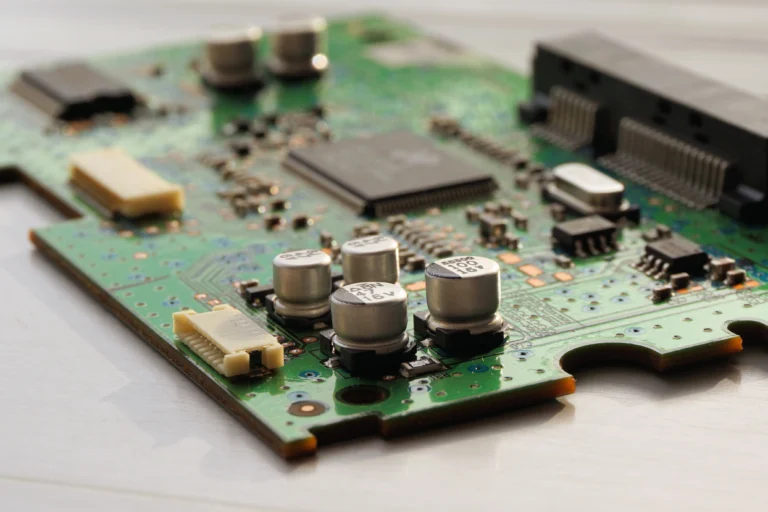
The offshore renewable energy sector requires specialized components for wind, wave, and tidal power systems. These applications demand electronics that can withstand harsh marine environments while maintaining reliable performance over extended periods. Printed Circuit Board Assembly (PCBA) solutions for these systems must meet stringent durability requirements and often require specialized conformal coating for moisture and corrosion resistance.
Oceanographic Instruments
Subsea electronics for oceanographic research and monitoring represent another growing segment. These instruments require precise manufacturing and comprehensive traceability protocols to ensure reliable data collection in challenging underwater environments. The complexity of these systems often necessitates close collaboration between manufacturers and designers to optimize performance and manufacturability.
Maritime Robotics
Autonomous underwater vehicles and remotely operated vehicles rely on sophisticated electronic systems for navigation, communication, and data collection. These platforms require high-reliability manufacturing processes that can support complex integration requirements while maintaining the compact form factors necessary for underwater operations.
Aquaculture Systems
Environmental monitoring and automation equipment for aquaculture operations require robust electronics that can function reliably in marine environments. These systems often incorporate multiple sensors and communication modules that must be manufactured to precise specifications with comprehensive quality control processes.
The marine economy’s aquaculture sector presents unique manufacturing challenges, requiring electronics that can withstand constant exposure to saltwater conditions while maintaining measurement accuracy. These applications often require specialized packaging and sealing technologies to ensure long-term reliability in challenging operating environments.
Design and Manufacturing Challenges
Marine applications present unique challenges that require specialized manufacturing expertise. Electronics must withstand corrosion, pressure, and moisture while maintaining reliable performance over extended periods. These requirements often necessitate specialized materials, protective coatings, and rigorous testing protocols to ensure long-term reliability.
Traceability and component tracking become particularly critical for marine applications, where field service and replacement can be complex and costly. Manufacturers must implement well-structured documentation and tracking systems that support lifecycle monitoring and maintenance planning. Compliance with strict marine standards and testing requirements adds another layer of complexity to the manufacturing process.
Sustainability considerations also play a crucial role in blue economy manufacturing. Components must be designed and manufactured to support long-term ocean health while enabling profitable and predictable business operations for companies operating in marine environments. This dual requirement creates unique challenges for manufacturers who must balance performance requirements with environmental responsibility.
The harsh operating conditions typical of marine environments require specialized design approaches that account for saltwater corrosion, temperature variations, and mechanical stress. These factors significantly impact material selection, assembly processes, and quality control procedures. Manufacturers must develop expertise in marine-grade materials and protective technologies to ensure reliable performance in these demanding applications.
Supply Chain Considerations for Marine Applications
The specialized nature of marine applications creates unique supply chain challenges that require careful consideration. Components must often meet marine-grade specifications that differ significantly from standard industrial requirements. This means manufacturers must develop relationships with suppliers who understand the specific material and performance requirements of ocean-based applications.
Lead times for marine-grade components can be longer than standard industrial components, requiring careful planning and inventory management. Manufacturers supporting the marine economy must develop robust forecasting capabilities and maintain strategic inventory levels to ensure production continuity. The critical nature of many marine applications means that component availability and quality cannot be compromised.
Traceability requirements for marine applications often exceed those of standard industrial products. Components used in ocean-based systems may need to be traceable through multiple levels of the supply chain, with detailed documentation of materials, manufacturing processes, and testing results. This level of traceability requires sophisticated documentation systems and close coordination with suppliers.
Partnership Approaches in the Ocean Economy
Success in the ocean economy often depends on collaborative partnerships between manufacturers, technology developers, and end users. The complex nature of marine applications requires close coordination between all stakeholders to ensure that products meet performance requirements while maintaining cost-effectiveness.
Early engagement between manufacturers and technology developers can significantly improve product manufacturability and reduce time-to-market. This collaborative approach allows manufacturers to provide input on design decisions that can improve manufacturing efficiency while maintaining product performance. The partnership model becomes particularly important for marine applications where field service and maintenance can be challenging and costly.
Long-term partnerships also enable manufacturers to develop specialized expertise in specific marine applications. This focused approach allows manufacturers to optimize their processes and capabilities for particular segments of the marine economy, resulting in improved quality and efficiency over time.
Supporting Blue Economy Innovation
VR Industries supports blue economy development through specialized manufacturing capabilities designed for marine applications. Our Design for Manufacturing (DFM) expertise ensures that marine technologies are optimized for build efficiency and long-term reliability. This approach helps customers transition from prototype to production while maintaining the quality standards essential for marine applications.
Our experience with complex PCBA solutions directly supports the sophisticated electronic systems commonly used in oceanographic instruments and maritime robotics. These applications often require the precise assembly and integration capabilities that define high-reliability manufacturing processes.
Through our ISO 9001 and ISO 13485 certified processes, we provide the quality assurance and traceability protocols vital for compliance and lifecycle monitoring in marine applications. Our advanced supply chain management capabilities help ensure component availability and quality for the specialized requirements of blue economy technologies.
Manufacturing Excellence for Marine Applications
Our 35,000 square foot facility incorporates advanced manufacturing capabilities specifically designed for mission-critical applications. Automated optical inspection systems and high-resolution X-ray inspection capabilities ensure that electronic assemblies meet the demanding requirements of marine environments. These quality control processes are essential for applications where field service and replacement present significant challenges.
The Customer Innovation Center provides a collaborative environment where marine technology developers can work with our manufacturing experts to optimize designs for production. This partnership approach helps ensure that blue economy innovations can be manufactured efficiently while maintaining the reliability standards essential for marine applications.
Our ITAR registration and defense industry experience provide additional value for marine applications with security or dual-use considerations. This background ensures that we understand the documentation and quality requirements essential for government and defense-related marine programs.
The Future of Blue Economy Manufacturing
As the blue economy continues to expand, the demand for specialized manufacturing capabilities will grow correspondingly. Success in this sector requires manufacturers who understand both the technical requirements of marine applications and the sustainability imperatives driving blue economy development.
Emerging technologies such as artificial intelligence, advanced materials, and precision manufacturing techniques are creating new opportunities within the marine economy. These technologies enable the development of more sophisticated marine systems while reducing manufacturing complexity and improving reliability.
The convergence of digital technologies with marine applications is creating new possibilities for remote monitoring, predictive maintenance, and autonomous operation. These capabilities require sophisticated electronic assemblies that can support complex processing requirements while operating reliably in marine environments.
Domestic manufacturing provides strategic advantages for blue economy applications, including reduced shipping emissions, improved supply chain resilience, and enhanced quality control. These factors become increasingly important as companies seek to balance operational efficiency with environmental responsibility.
Economic Impact and Growth Projections
The global blue economy represents a significant economic opportunity, with projections indicating continued growth across multiple sectors. Offshore renewable energy, marine robotics, and sustainable aquaculture are among the fastest-growing segments, each requiring specialized manufacturing capabilities.
Regional development initiatives are supporting the growth of blue economy clusters, particularly in coastal areas with strong maritime heritage. These initiatives create opportunities for manufacturers to develop specialized capabilities that serve multiple segments of the marine economy while contributing to regional economic development.
Investment in blue economy research and development continues to increase, driven by both government initiatives and private sector investment. This investment supports the development of new technologies and manufacturing processes that enable more efficient and sustainable use of ocean resources.
The blue economy represents a significant opportunity for manufacturers who can support the specialized requirements of marine applications while maintaining the sustainability focus essential for long-term ocean health. Through advanced manufacturing capabilities, comprehensive quality systems, and collaborative partnerships, manufacturers can help enable the blue economy innovations that will shape our relationship with ocean resources for generations to come.
Understanding the blue economy and its implications for manufacturing is essential for companies seeking to participate in this growing sector. The unique requirements of marine applications create opportunities for manufacturers who can provide specialized capabilities while maintaining the quality and reliability standards essential for ocean-based operations.
At VR Industries, we understand that supporting blue economy development requires more than just manufacturing expertise. It demands a partnership approach that combines technical capabilities with a commitment to the sustainability principles that define this growing sector. Our experience with high-reliability manufacturing processes, comprehensive quality systems, and collaborative partnerships positions us to support the innovations that will drive the blue economy forward.
Contact us to learn how our manufacturing capabilities can support your blue economy innovations and help bring your marine technology concepts to market successfully.